
Principles of Sustainable Automation
Jun 25th, 2026
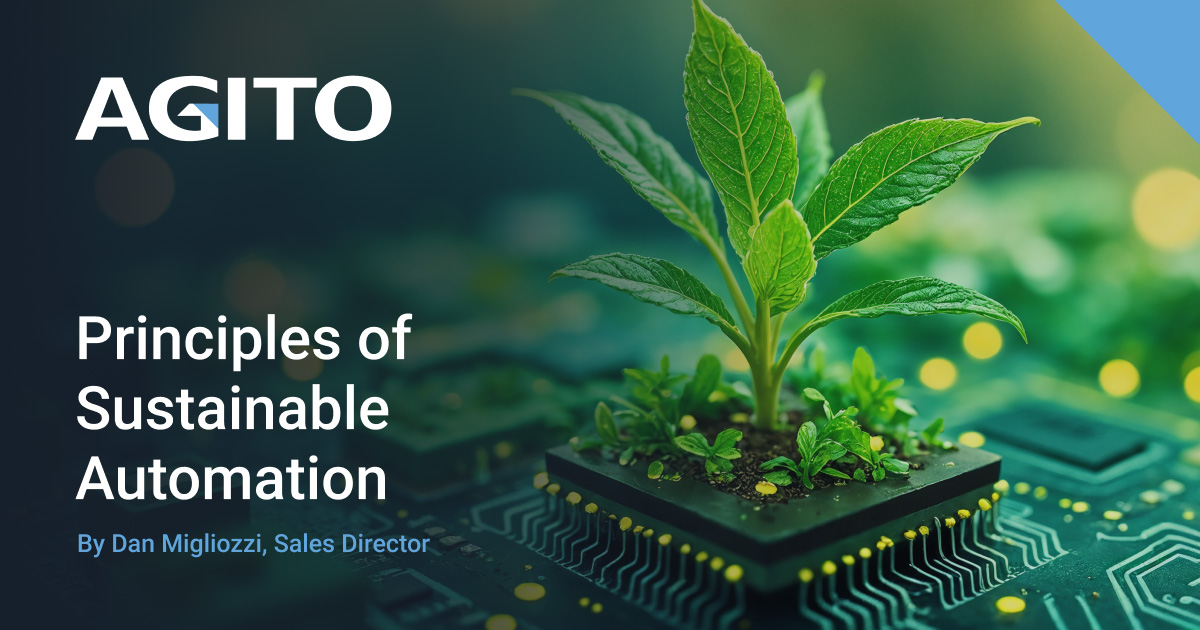
Sustainable automation rests on four core principles. These include energy efficiency, waste minimisation, lifecycle sustainability and intelligent process management. These principles are practical and directly improve operational performance while reducing environmental impact.
Energy Efficiency
Energy efficiency is foundational to sustainable automation. Automated systems should operate only when required. Equipment such as motors, drives, conveyors and robotics must be correctly sized and configured to minimise power consumption. Poorly matched or continuously running systems increase energy use without adding value.
AI-driven scheduling and regenerative technologies further reduce demand by optimising when and how energy is consumed. In one industrial automation project, the introduction of regenerative robotic arms combined with AI-based scheduling reduced energy use by more than 20%, delivering annual savings of £350,000 while significantly lowering carbon emissions. Applied at scale, these decisions deliver significant cumulative savings.
“Energy efficiency is rarely about a single breakthrough. It comes from many small, well-informed decisions that compound across an operation.” – Dan Migliozzi
Waste Minimisation
Waste minimisation focuses on preventing scrap, rework and inefficient use of materials. Robotics and precision automation improve accuracy and consistency, while sensors and analytics detect inefficiencies before they escalate into costly losses.
Closed-loop recycling systems, where scrap material is reintegrated into production, further reduce waste and reliance on virgin resources. In electronics manufacturing, precision robotic assembly reduced defective product rates by 30%, cutting material waste and lowering disposal costs. These improvements protect margins while reducing environmental impact.
Lifecycle Sustainability
Lifecycle sustainability requires organisations to consider environmental impact from system design through to end of life. This includes selecting recyclable materials, designing equipment for maintainability, and planning responsible disposal from the outset rather than as an afterthought.
Predictive maintenance plays a critical role by extending equipment lifespan and reducing unnecessary replacement. Fewer breakdowns, lower spare-part consumption and longer asset life deliver clear environmental benefits alongside measurable cost savings.
Intelligent Process Management
Intelligent process management enables continuous improvement across automated environments. IoT sensors and digital twins provide real-time visibility into energy use, material consumption and machine performance. AI-driven analytics identify inefficiencies and recommend operational adjustments before problems arise.
In food processing environments, AI-based production scheduling reduced energy consumption during peak periods while lowering spoilage. The result shows how intelligent management can simultaneously improve efficiency and sustainability, without compromising output or quality.
“Sustainable automation is not a checklist exercise. It is a mindset that shapes how systems are designed, operated and improved over time.” – Dan Migliozzi
A Long-Term Discipline
The conclusion is clear. Sustainable automation is a philosophy rather than a one-time initiative. Every system choice, operational decision and optimisation effort contributes to long-term performance, resilience and environmental responsibility. Organisations that embed these principles into how they design and operate automation systems position themselves to reduce risk, control cost and remain competitive in a changing industrial landscape.
About the Author
Dan Migliozzi is Sales Director for the UK, EU and North America, with over 12 years of experience in automation across manufacturing, logistics, warehousing and ecommerce. He specialises in solution design, commercial strategy, and the delivery of high-impact automation systems for tier-one and blue-chip organisations.
At AGITO Global, Dan leads commercial strategy and client engagement, helping organisations scale and optimise warehouse and intralogistics automation. He is a member of the Institution of Engineering and Technology (MIET) and an Associate Member of the International Society of Environmental Professionals (AISEP).
His work focuses on aligning systems, people and processes to deliver efficient, resilient and sustainable operations.